I majored in psychology and minored in communication, which sounds unrelated to contract work until you are the person sitting between an engineering team and a legal department while both describe the same problem in vocabulary the other one does not use. Somebody in that room has to hold both, and that has turned out to be most of my job.
Most of my work is looking at how contract work actually moves through an organization, finding where it stalls, and fixing that. Sometimes the fix is a model. Often it is removing a step that nobody could explain the reason for.
I am a certified paralegal and I still describe myself that way. It was not a stage on the way to something better. I know what a review actually involves, what it costs when something gets missed, and why a shortcut that looks harmless in a demo usually is not.
Paralegal certificate in Denver, then private practice. Estate planning, probate, M&A, real estate closings, a heavy concurrent caseload. Then a city attorney's office, where contract requests came in by the thousand each year and turnaround was measured in hours, and where I drafted ordinances and resolutions for the public record. That work has a longer tail than commercial drafting. What you write stays on the books and people rely on it for years.
Now I am an AI and CLM consultant at Cimplifi. Half of that is building: clause taxonomies and extraction models across large contract repositories, then testing whether they are right before a client depends on them. Precision, recall, where a model fails and why it fails there. Across thirteen engagements and more than a hundred clause models, that work has cut review time somewhere between fifty and eighty percent, depending on the document set and on what the team was doing beforehand. I give the range rather than one number because one number would not be true. The other half of the job is the workflow around the model. Where review backs up, which steps exist only because they always have, what can come out without losing the control it was there to provide.
I did not leave legal work behind and I am not automating it away. Legal work is changing and I wanted to be in the part of it that is changing. The question underneath has not moved since I was doing review by hand: does this document say what we think it says, and can we show our work?
I ask for the numbers behind a claim before I repeat it to a client. These systems are good at volume. First pass, search, sorting, reconciling one agreement against several hundred others. Judgment stays with the people who are accountable for it, and my job is to prove the system is right about the part it handles and to say plainly where it should not be used.
What decides whether any of it works is what happens after go-live. I stay past implementation and train the people who have to use it. How to prompt it, how to read what comes back, when to trust the output and when to open the document anyway. Tools rarely fail technically. They fail because a team quietly keeps doing it the old way and nobody notices for six months.
What carries over
The method is not specific to law. Decide what correct looks like before you build. Measure against that and report the number even when it is bad. Put review where being wrong is expensive rather than everywhere, because a review step people learn to click through protects nobody. Then explain the result to whoever has to sign off, in their language.
I have used the same approach outside contracts. A causal inference harness that checks marketing attribution against measured lift. A multi-agent system for project managers, built with review gates and escalation paths. An operations dashboard that writes its own status reports. All three came out of the same habit of asking what would prove this wrong before trusting it.
Finance, procurement, compliance, operations. Most teams have documents nobody has read end to end and decisions nobody can reconstruct.
Outside work
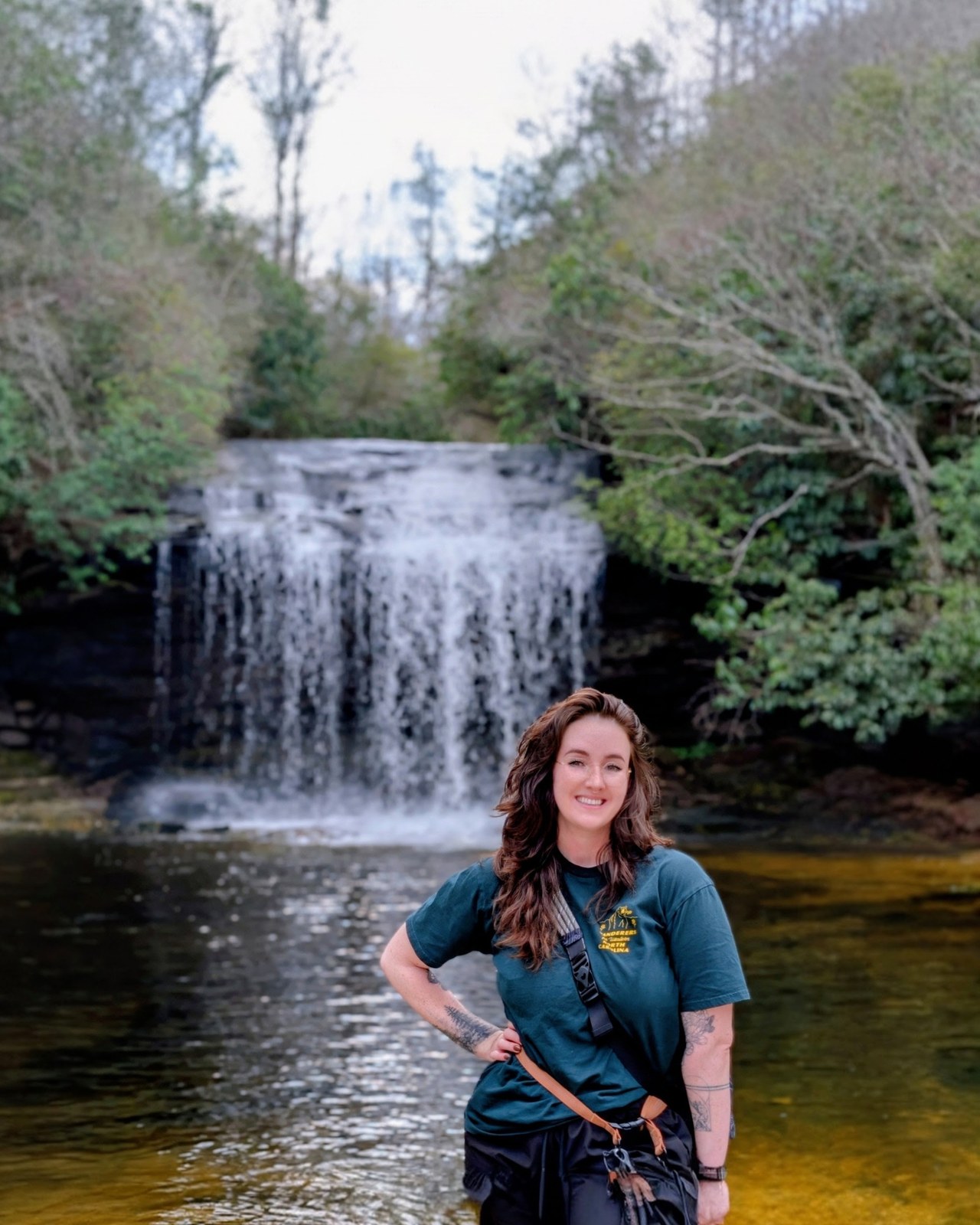
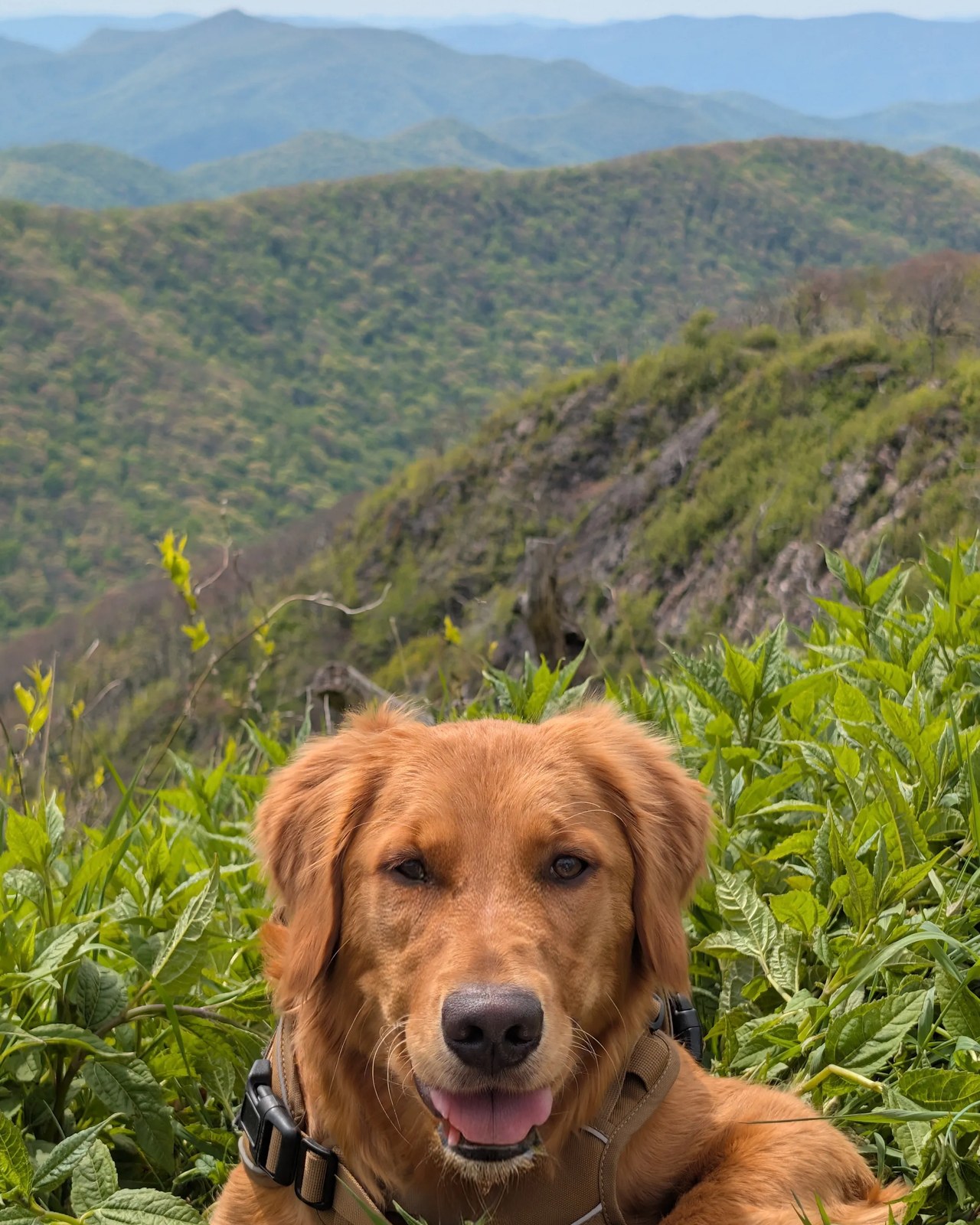
Willow, my golden retriever, and I hike most weekends, mostly north Georgia and western North Carolina. Most of the routes I pick end at water. The Blue Ridge has more waterfalls than anyone gets to in a lifetime and I am still working through the list.
Outside of that, local breweries and live music, the smaller the better.
How I think about this work
Legal AI is where I make my living and I think it is going to be good for the profession. I also think a fair amount of it is being sold ahead of what it can currently prove.
A model that looks strong in a demo across ten documents is a different thing from a model that holds up across a repository of fifty thousand, and the difference tends to surface after the contract is signed. That gap, between what these systems are sold as and what anyone can prove they do, is where I work.
← Back to chantelhill.com